
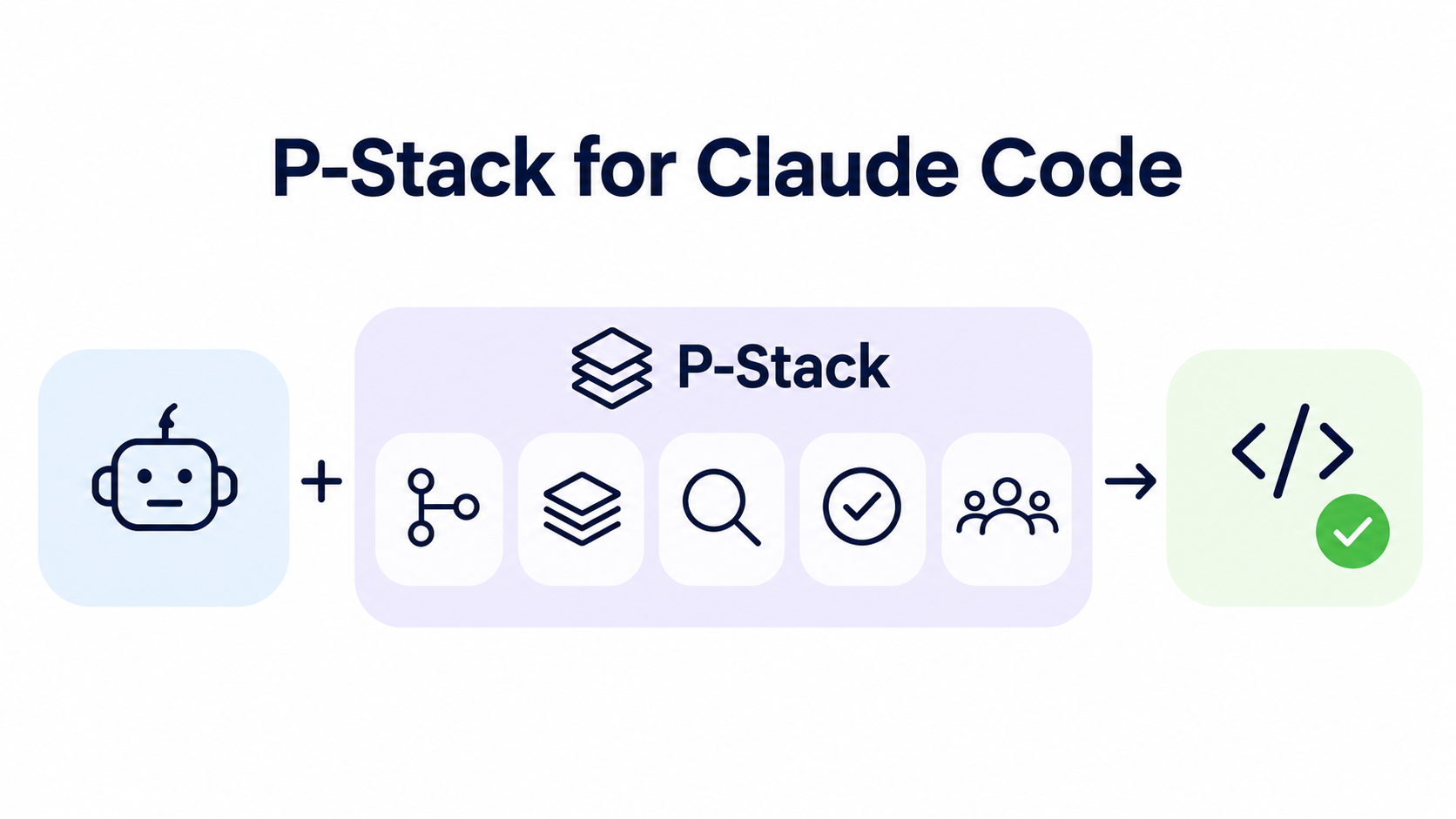
This is one of the most powerful AI coding frameworks I’ve seen in a long time.
P-Stack massively boosts your development speed and the reliability of all the code Claude Code puts out by making it follow top-tier software engineering practices.
It uses a powerful “Poteto Mode” to route tasks through clear workflows and built-in engineering principles to guide how Claude Code solves problems.
You avoid unnecessary code and fix problems at their root — and spend much less time writing detailed prompts and checking broken changes.
1. Smart task routing with Poteto mode
One of P-Stack’s best features is poteto-mode. It looks at your task and picks a clear workflow.
Instead of letting Claude Code figure out every step on its own, P-Stack gives it playbooks for fixing bugs and building features based on standard engineering practices. It also covers refactoring and performance optimization.
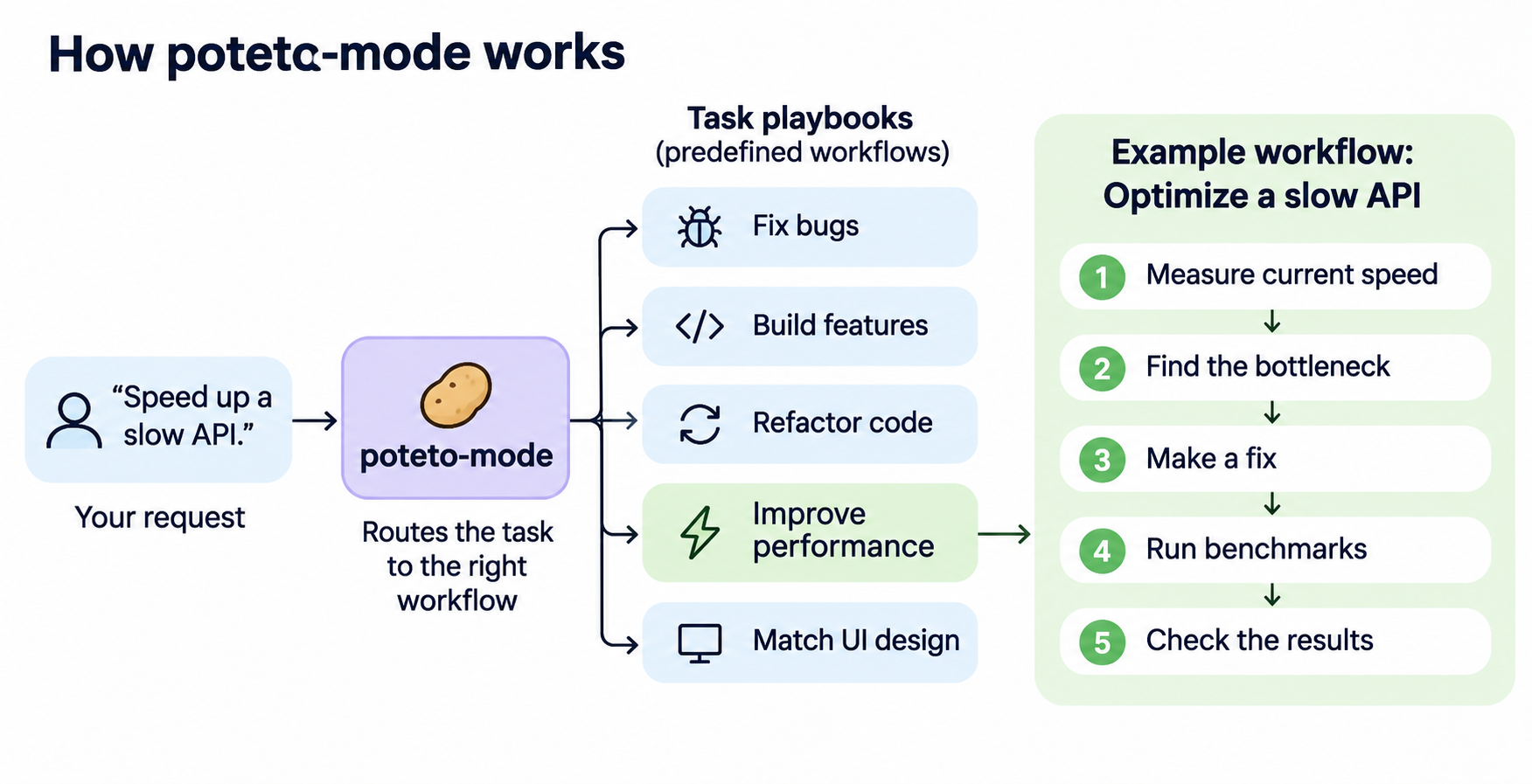
Example: Ask Claude Code to speed up a slow API. Poteto-mode can guide it to measure the current speed and find the bottleneck. It then makes a fix and runs benchmarks to check the results.
You don’t need long prompts explaining every step. P-Stack helps Claude Code follow a more predictable process.
2. High-quality code generation powered by built-in engineering principles
We’ve all seen AI turn a simple fix into a complicated solution with extra files and dependencies.
P-Stack helps prevent this through engineering principles in SKILL.md files.
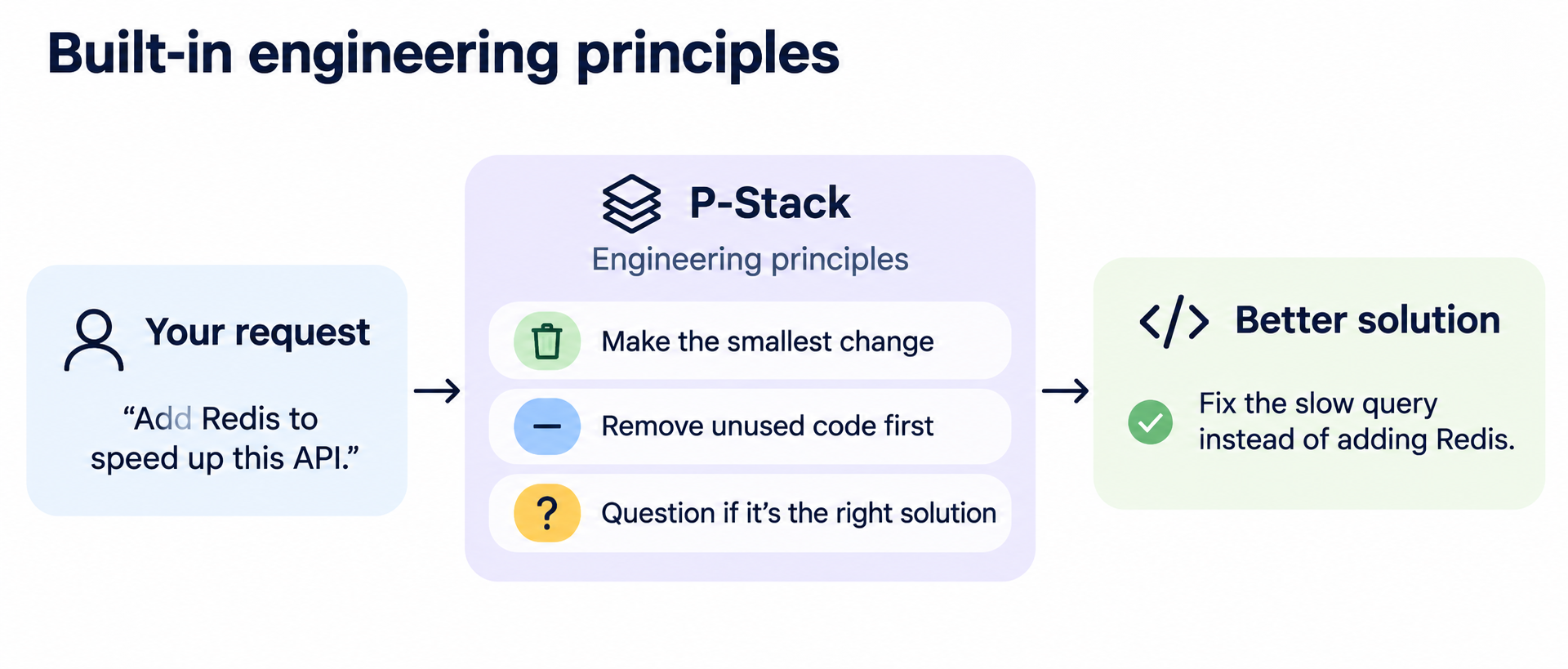
Some key principles include:
- Laziness Protocol: Make the smallest change that solves the problem.
- Subtract Before You Add: Remove unused code before adding new things.
- Attack the Premise: Question whether the requested solution is actually right.
- Minimize Reader Load: Keep code easy to read.
- Model the Domain: Structure code around how the business works.
Example: You ask Claude Code to add Redis because an API is slow. Instead of adding Redis, it might discover that fixing one database query solves the problem.
The goal is to write less code and make that code better.
3. Investigation skills: how and why
AI agents sometimes rush to fix bugs without understanding what’s causing them — that’s why P-Stack gives us two investigation skills:
The how skill helps Claude Code understand and reproduce an issue through tests or scripts.
The why skill traces the code to find the root cause.
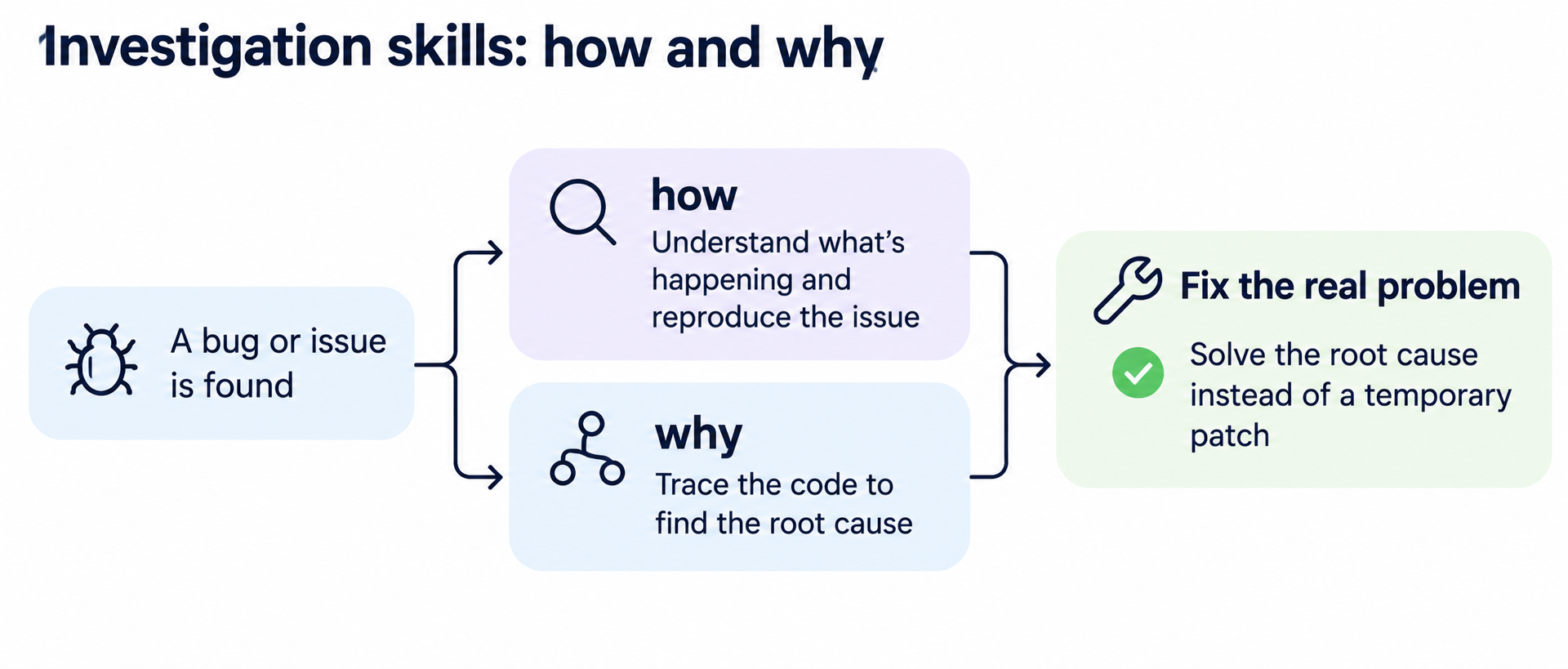
Example: Your checkout system creates duplicate payments. Instead of disabling the checkout button, Claude Code can trace the requests and discover that the backend doesn’t handle repeated requests safely.
This helps us fix the real problem instead of patching its symptoms.
4. Strict verification: Prove it works
We’ve all seen an AI agent say everything is done when the feature doesn’t actually work.
P-Stack pushes Claude Code to go beyond passing tests. It encourages checking real application behavior through runtime tests and logs.
Example: After building a signup feature, Claude Code should try creating an account and check that the database saved the user. It should also confirm that the user can log in.
This gives us better proof that a change works and reduces the time we spend checking broken AI-generated code.
5. Multi-agent and multi-model orchestration
P-Stack lets us split work between specialized agents:
- Implementation agents write code and tests.
- Architect/Judgment agents evaluate design decisions.
- Review agents check for bugs and security issues.
We can also use different AI models based on what each does best.
Example: When building a subscription system, one agent can plan the payment flow while others build the backend and frontend. Review agents can then check the changes.
Using separate Git worktrees or branches helps us run tasks in parallel without agents constantly changing the same files.
P-Stack isn’t just about making Claude Code write more code. It’s about helping us build better software with less manual work and fewer AI mistakes.