
GPT-5.4 is already here and it’s looking incredibly promising.
With game-changing features like a 4x bigger token window and native computer use, GPT-5.4 is here to not just be your occasional agentic assistant — but a partner participating much deeply in all your most complex engineering workflows.
They even introduced a new “Pro” model that gives you the ultimate intelligence for research-grade and extreme reasoning tasks.
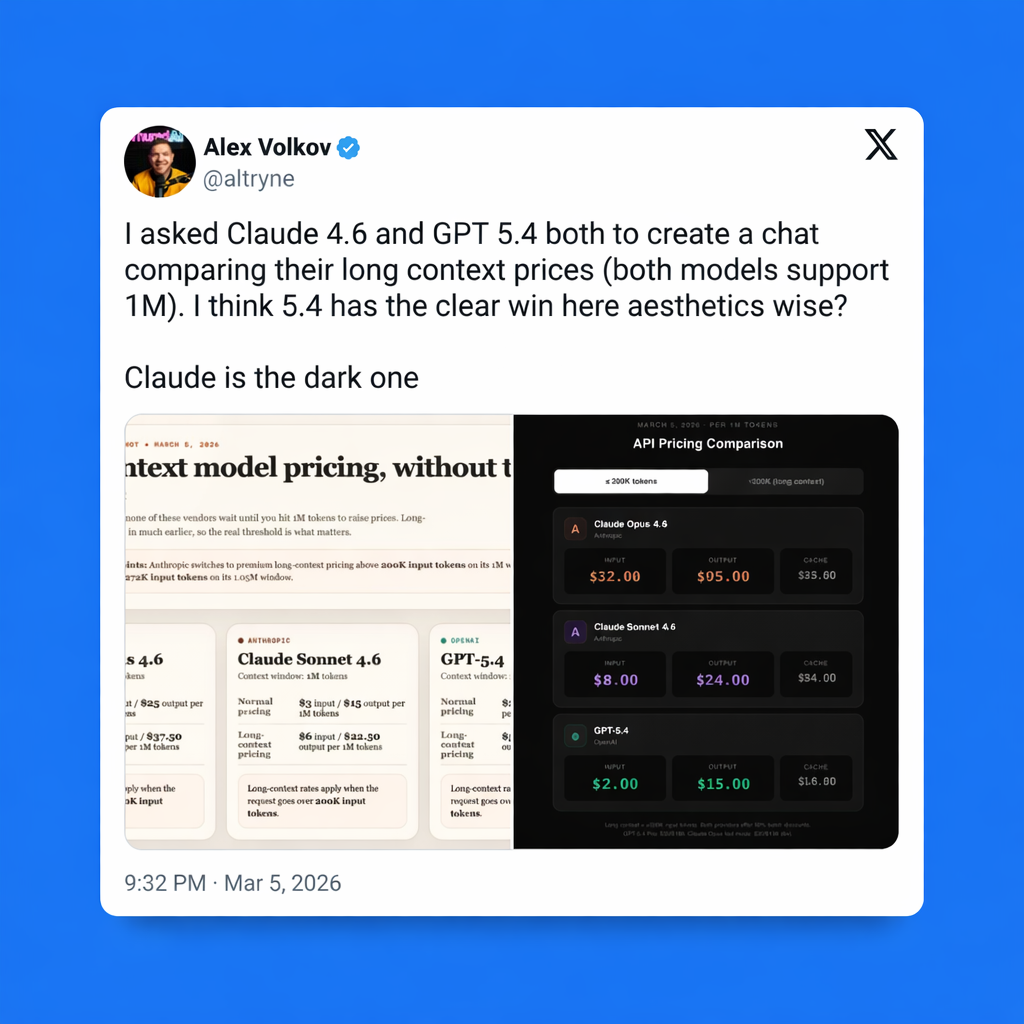
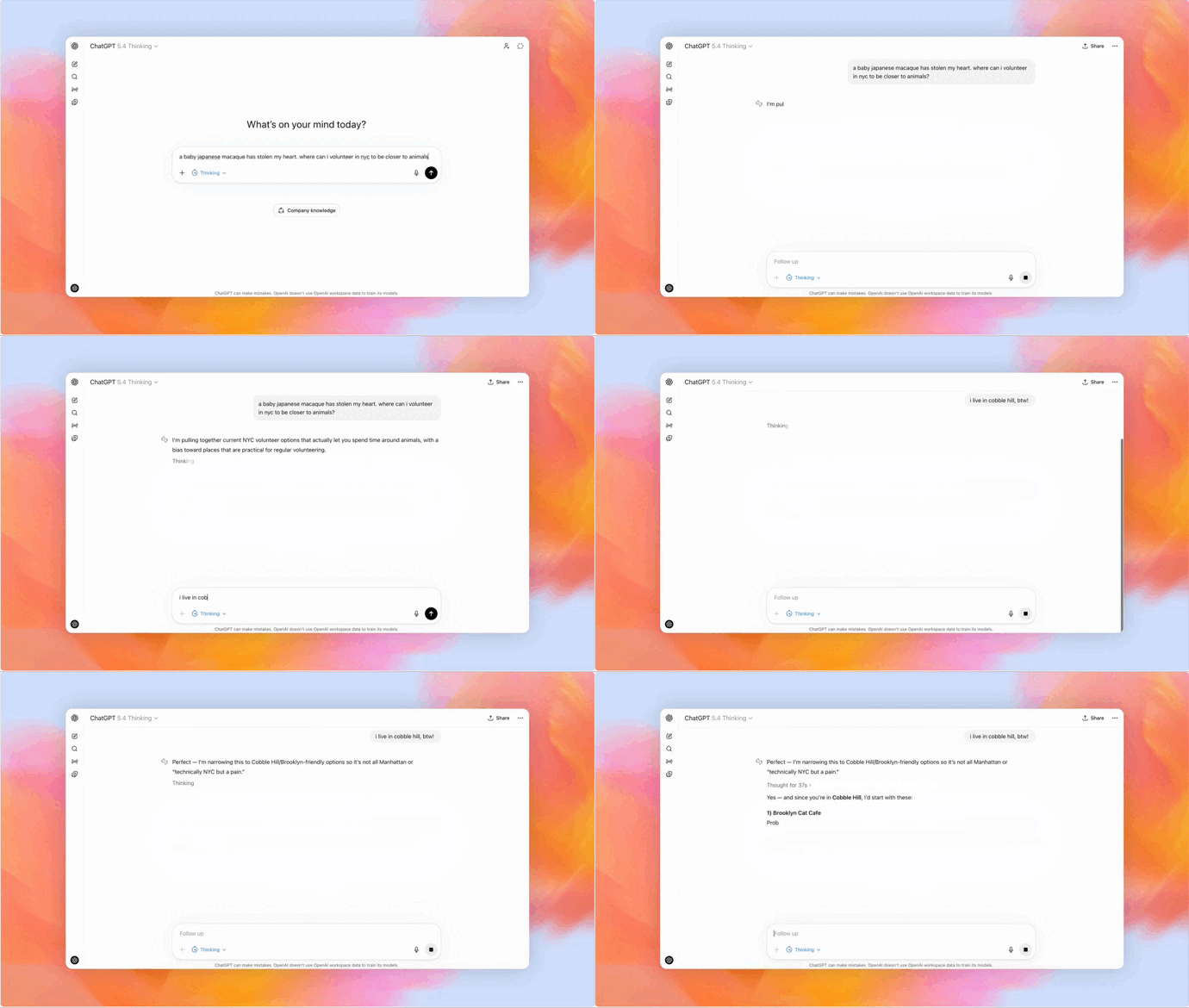
And look — now it even lets you send messages while it’s thinking to refine its thought process to get exactly what you want — something that could be really useful during extended debugging:
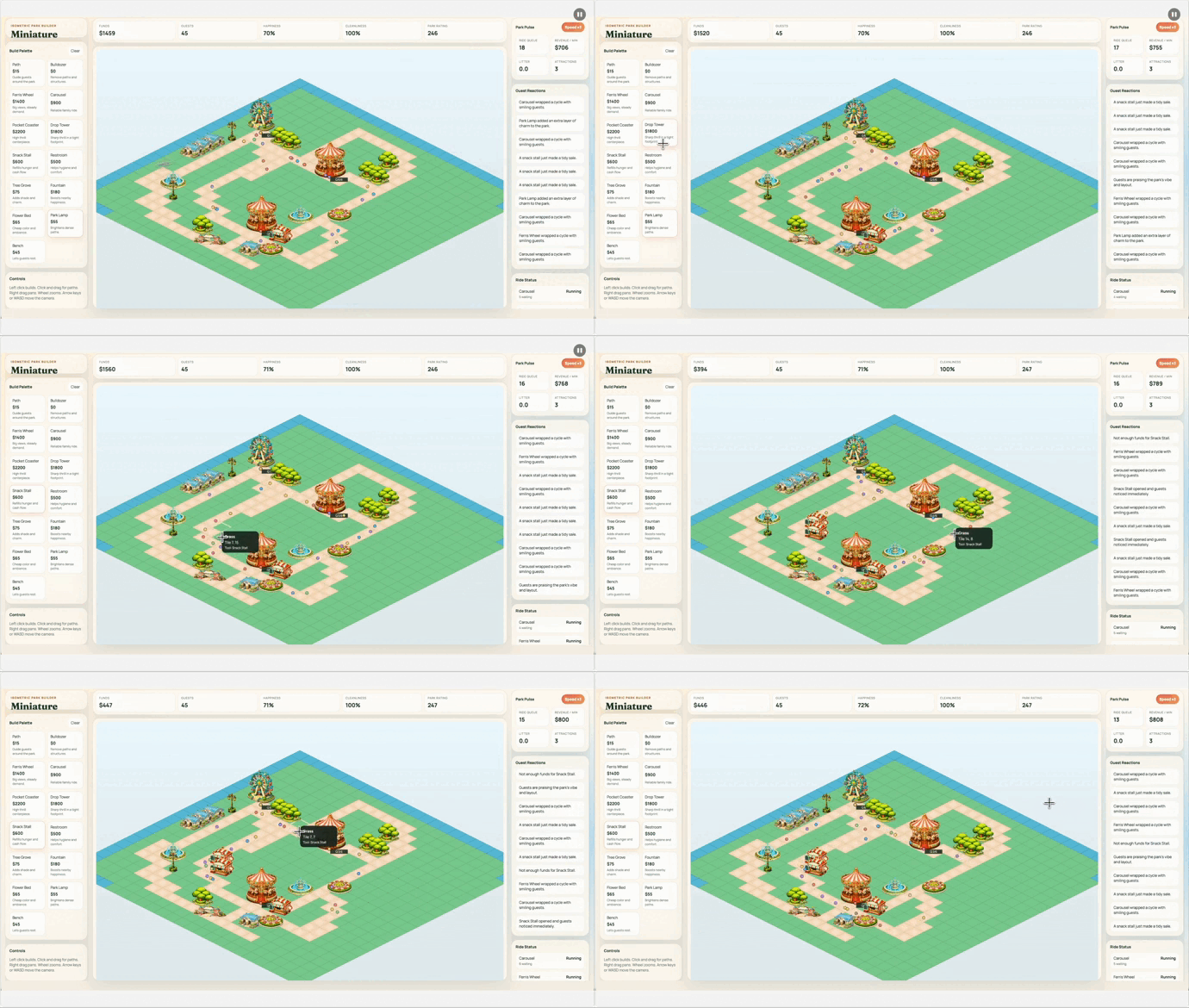
An incredible theme park simulation game made by GPT-5.4 from a single prompt — all image assets generated by AI:
Let’s check out 5 of the most important improvements in GPT-5.4 and why they matter for us as software developers.
1. Massive 1 million token context window
GPT now has a 1 million token context window for the first time ever.
GPT-5.4 supports roughly 1,050,000 tokens, which is dramatically larger than previous generations.
For developers, this changes how we can work with AI. Instead of feeding the model a few files at a time, we can provide:
- large portions of a codebase
- architecture documentation
- test outputs and logs
- API specifications
- migration plans and design discussions
This means we can ask the model to reason about much large software systems that before.
You could load multiple services, recent bug reports, and stack traces into the same context and ask the model to propose a fix strategy. The model has enough room to maintain the broader system understanding while helping you debug.
In practice, this reduces the constant context juggling we’ve had to do with earlier models.
2. GPT-5.4 Pro for hard engineering problems
OpenAI also introduced GPT-5.4 Pro, a version of the model designed for more difficult tasks that benefit from deeper reasoning and more compute.
As developers, we often face problems that are not quick autocomplete tasks. Examples include:
- diagnosing distributed system failures
- planning large refactors
- designing migration strategies
- analyzing complex concurrency bugs
In these cases, speed is less important than correctness. GPT-5.4 Pro is here for exactly that scenario.
When you need careful reasoning and structured solutions rather than quick responses, this model gives you a more deliberate assistant that can walk through complicated technical problems step by step.
3. Native computer use
This one is really exciting.
GPT-5.4 introduces native computer-use capabilities, allowing the model to interact with software environments and user interfaces as part of automated workflows.
This opens the door to a different style of AI tooling for developers.
Instead of only generating code, we can build agents that can:
- interact with developer dashboards
- test web applications
- navigate internal tooling
- verify UI behavior
- execute workflows across systems
For example, we could create an automated QA agent that runs through a staging interface, reproduces a bug, and reports the steps required to trigger it.
The key idea is that the model can now operate within software environments, not just describe them.
4. Mid-response pivot
GPT-5.4 also gives us the ability to pivot during a response, allowing us to adjust direction while the model is still working on a complex task.
This might sound small, but it reflects how real engineering collaboration works.
When we investigate a problem, we often discover new information halfway through. With this capability, you can steer the model mid-process instead of restarting the conversation.
For example, while debugging you might say:
- “Actually prioritize the smallest patch instead of a full rewrite.”
- “Keep the existing public API unchanged.”
- “Focus on identifying the root cause rather than proposing fixes.”
This makes the interaction feel much closer to collaborating with another engineer rather than issuing static prompts.
5. Lower hallucination rates
OpenAI reports that GPT-5.4 produces significantly fewer hallucinations compared with earlier models. In internal evaluations, individual claims were about 33% less likely to be false, and full responses were 18% less likely to contain any errors.
For developers, hallucinations are one of the biggest sources of friction when using AI tools. They often appear as:
- nonexistent API methods
- invented framework features
- incorrect configuration parameters
- plausible-sounding but wrong debugging advice
A meaningful reduction in hallucinations improves trust and usability. We still need to review outputs carefully—especially in production systems—but fewer fabricated details mean we can spend less time validating basic correctness.
What this means for developers
Taken together, these improvements signal a shift in how AI models are designed for software work.
GPT-5.4 helps us:
- reason across large codebases
- solve harder engineering problems
- automate real workflows through computer interaction
- collaborate iteratively during complex tasks
- rely on outputs that are more factual and consistent
The result is a model that feels less like a prompt-response chatbot and more like a practical engineering assistant integrated into our development process.
As these capabilities mature, the biggest change will likely be how we structure our tooling and workflows around AI—not just using it to generate code, but using it to help operate and understand entire systems.