
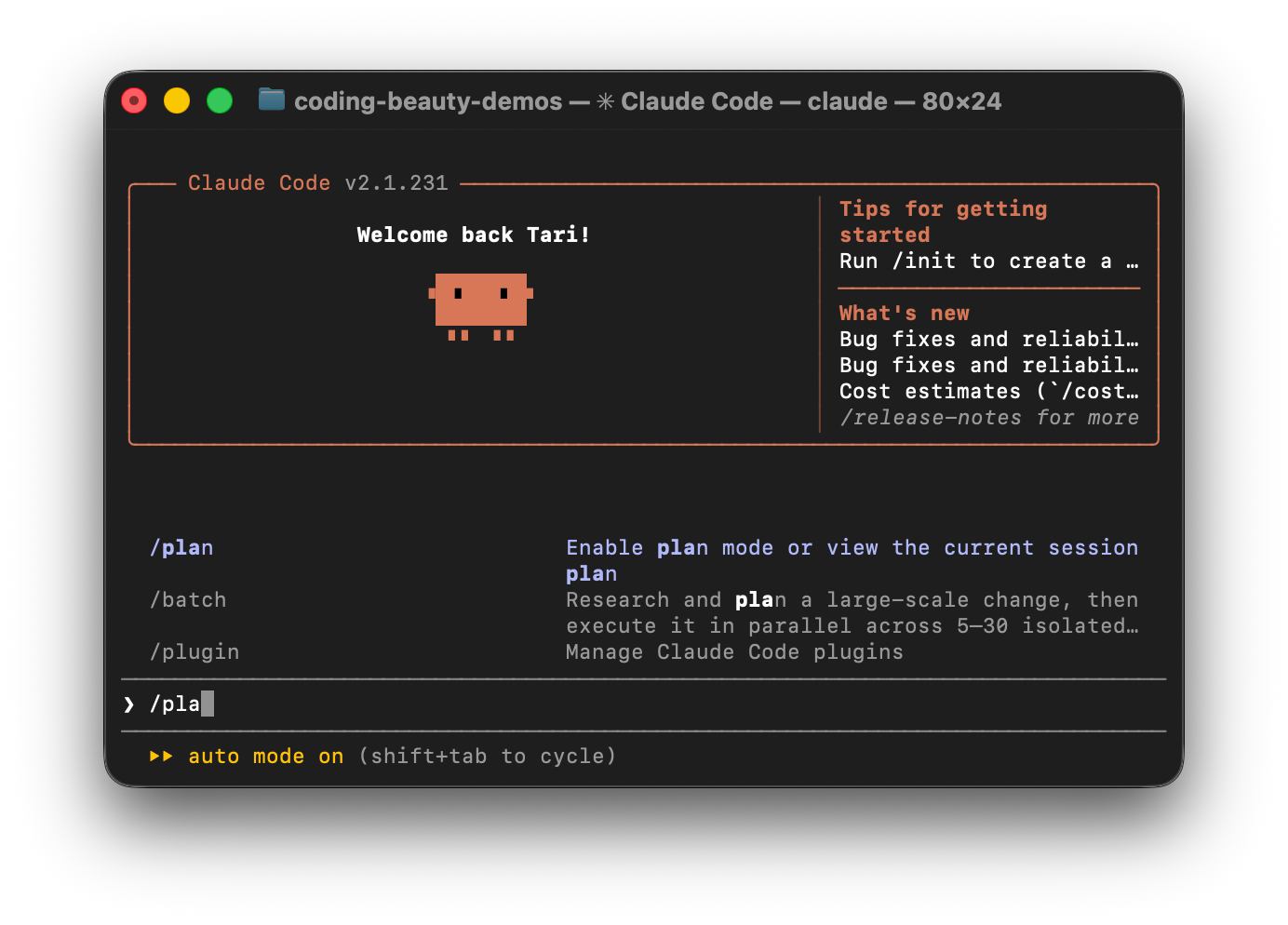
Many developers are still just prompting and prompting — not realizing how much this feature could take their Claude Code experience to the next level.
Plan Mode transforms Claude into a clearly different kind of agent with a different objective.
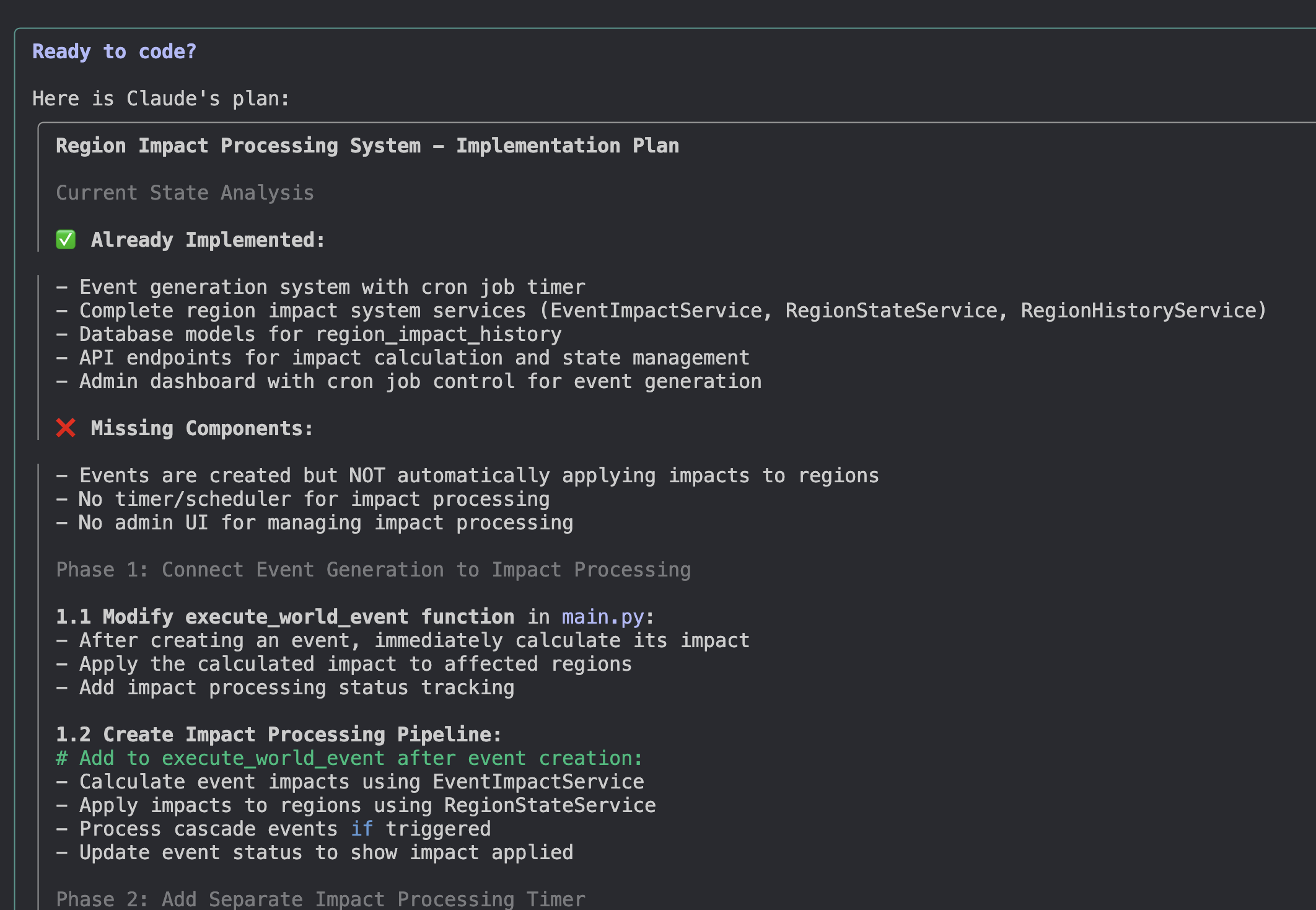
Rather than immediately writing code, Claude shifts into a specialized, read-only, planning workflow designed to analyze, design, review, and document a solution before a single file is even touched —
And this ends up improving code quality and saving AI generation costs in the long run in the most complex projects — among other benefits.
Back then I would just give Claude a prompt like, “tell me how you’re going to do this first” at the end of my task prompt.
But trying to “plan” like this has some key issues that make it inferior to this built-in Plan Mode.
1. Plan Mode: Higher-quality code by giving Claude a different way of thinking
For one when Plan Mode is enabled, Claude receives a different set of specialized instructions that fundamentally change how it approaches problems.
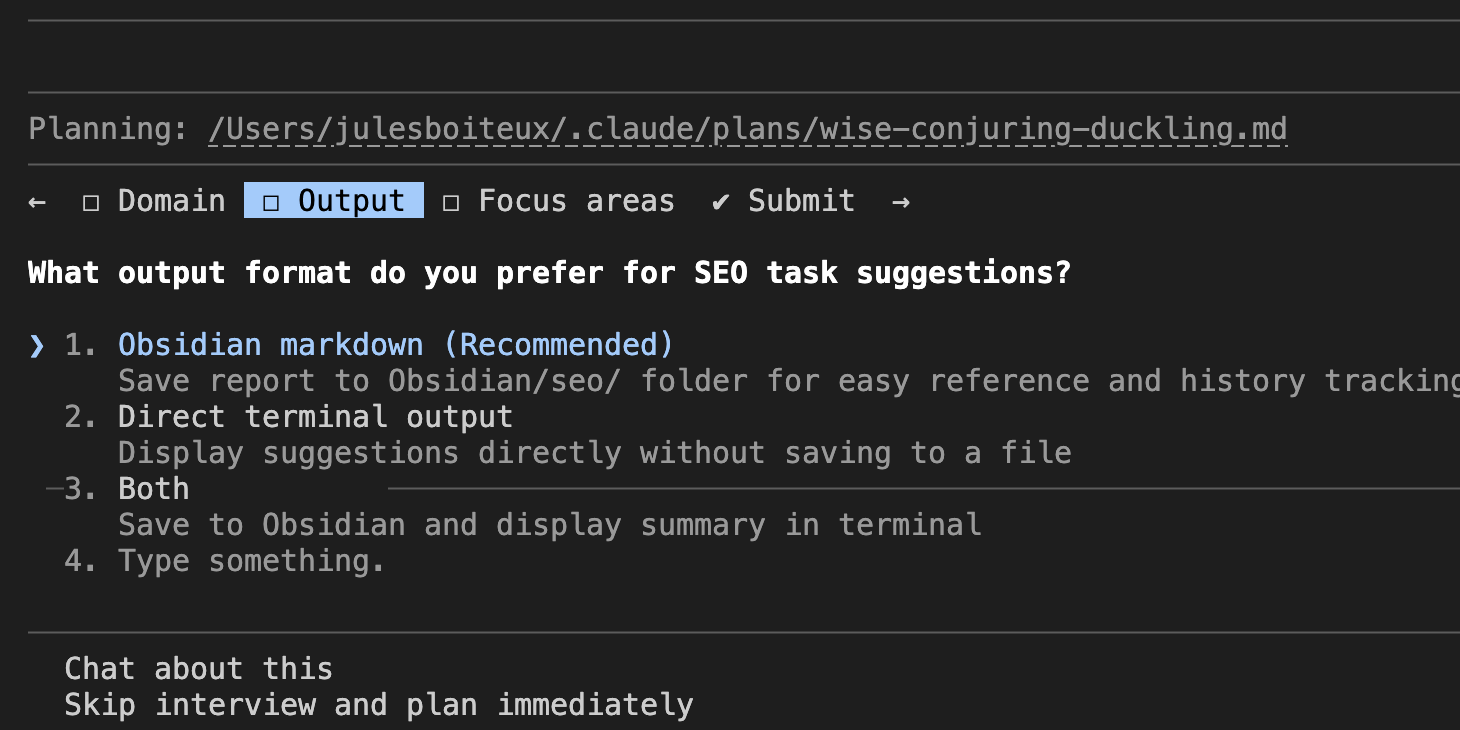
Instead of optimizing for just code generation, it optimizes for planning in four distinct phases.
- Initial Understanding: Explore the codebase and identify relevant files and dependencies.
- Design: Evaluate implementation approaches and trade-offs.
- Review: Validate the proposed design against the realities of the codebase.
- Final Plan: Produce a concise roadmap explaining what should change and why.
It’s clearly a much more sophisticated way to plan than just a simple prompt.
2. Prevents excess token costs by using specialized planning models
This is another key difference.
Trying to plan with normal prompting can cost you a lot of tokens, especially in an existing, large codebase.
Going through all the files in a major codebase can consume a huge amount of context and tokens.
That’s why Claude Code’s special Plan Mode uses a specialized, lightweight “Explore” subagent (like Claude Haiku) during the discovery phase.
This lightweight agent is responsible for searching, indexing, and reading files before passing only the most relevant findings back to the primary model.
Instead of stuffing thousands of lines of code into the main context window, the Explore subagent filters out noise and returns only the information needed for planning.
This allows the primary model to spend its context budget on reasoning rather than file exploration.
3. Safer codebase with guaranteed immutability during planning
This is another key value that you can’t get from trying to plan by just prompting.
When you switch into Plan Mode, Claude’s ability to modify the codebase is restricted by the underlying CLI harness itself.
Write operations, file edits, and other mutating actions are removed from its available toolset.
In other words, Claude isn’t simply being asked not to make changes — it literally cannot make them.
This creates a genuinely safe environment for:
- Architecture reviews
- Migration planning
- Security audits
- Refactoring analysis
- Large-scale code exploration
So there’s no risk of an accidentally changing a file while you’re still weighing the design options.
4. Easy to get a big picture of the overall project plan
The plan doesn’t exist only in the conversation.
Behind the scenes, Claude generates a markdown-based planning artifact that can persist beyond the immediate session. The plan becomes something tangible rather than a temporary stream of thoughts.
You can open it up in your own editor, tweak Claude’s planned steps yourself, and then feed that modified markdown file back into the tool to execute.
It turns planning into a deliverable, which is really powerful.
Instead of reviewing ideas scattered throughout a chat, developers can work from a structured roadmap that can be revised, shared, and reused.
5. Long-term value: Plans can evolve into the engine of the entire project
Many users initially adopt Plan Mode to make coding safer.
Over time, they discover it’s just as useful for documentation.
Because plans are structured markdown artifacts, they naturally evolve into:
- Feature roadmaps
- Migration checklists
- Implementation specifications
- Architecture reviews
- Onboarding documents
In many cases, the plan itself becomes the most valuable output. Even if implementation never happens, the document captures a deep understanding of the system and a clear strategy for future work.
The real purpose of Plan Mode isn’t preventing Claude from writing code.
It’s separating thinking from doing.
By combining a planning-focused workflow, a dedicated exploration subagent, hard platform-level restrictions, and persistent planning artifacts, Claude Code creates an environment where analysis comes before execution — which ends up dramatically improving the quality of the execution.