
Is this really how OpenAI wants to compete now?
OpenAI didn’t buy Cline.
They didn’t shut down Cline.
They didn’t even ship a press release announcing anything at all.
Instead, it did something more chilling —and arguably more effective…
It hired away a critical chunk of the people who made Cline matter.
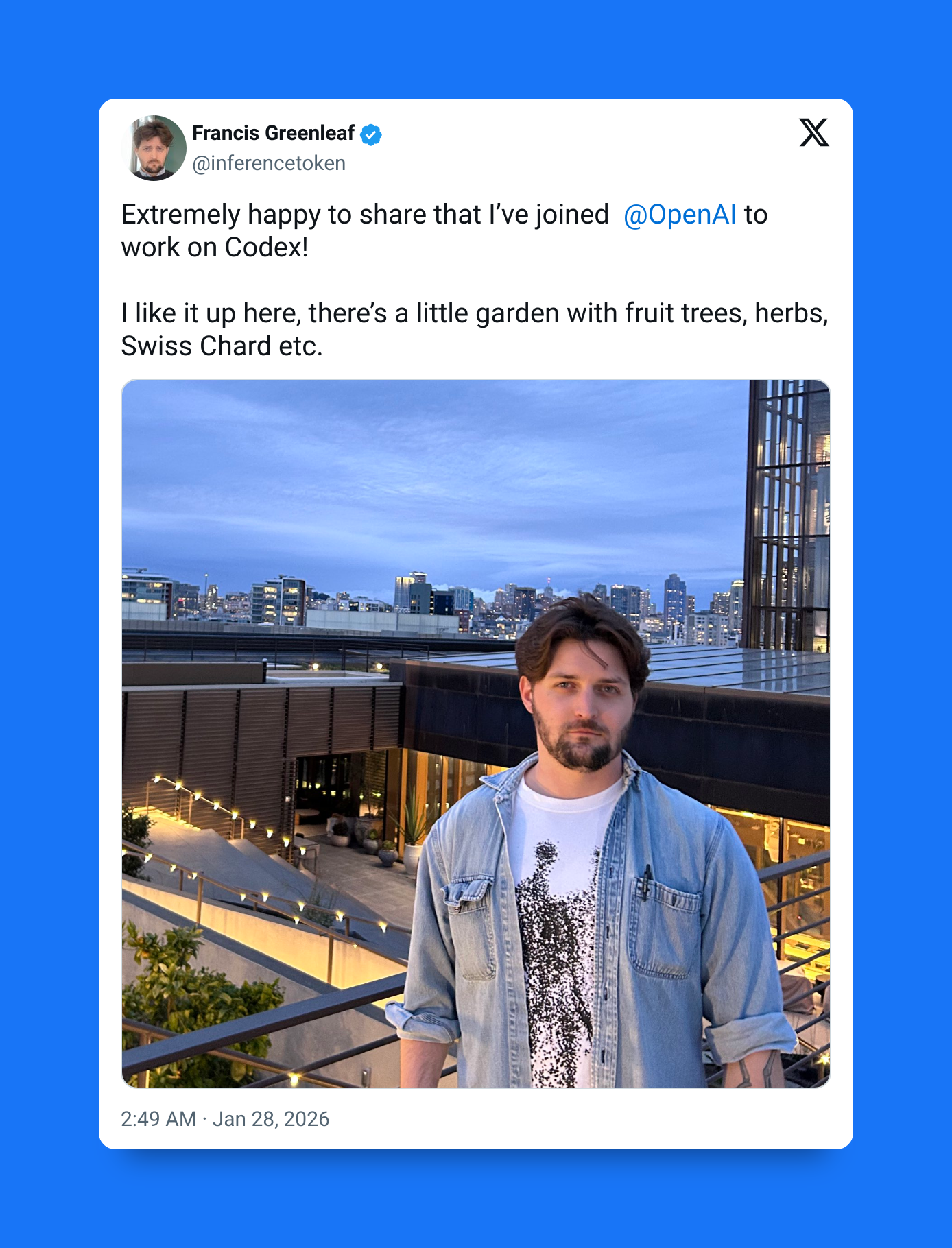
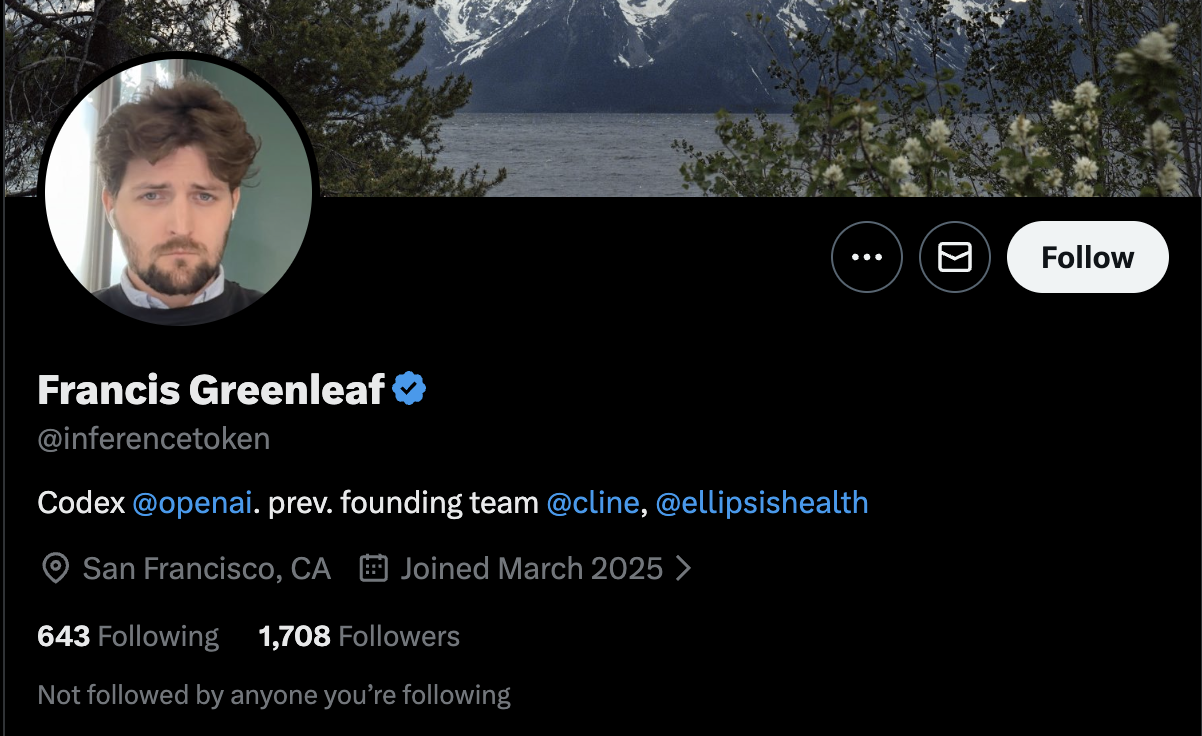
What does OpenAI really think it’s doing to the open-source developer ecosystem?
Because this looks like a familiar pattern:
observe an open project validate a product category → hire the people who built it → internalize the insight → leave the project hollowed out.
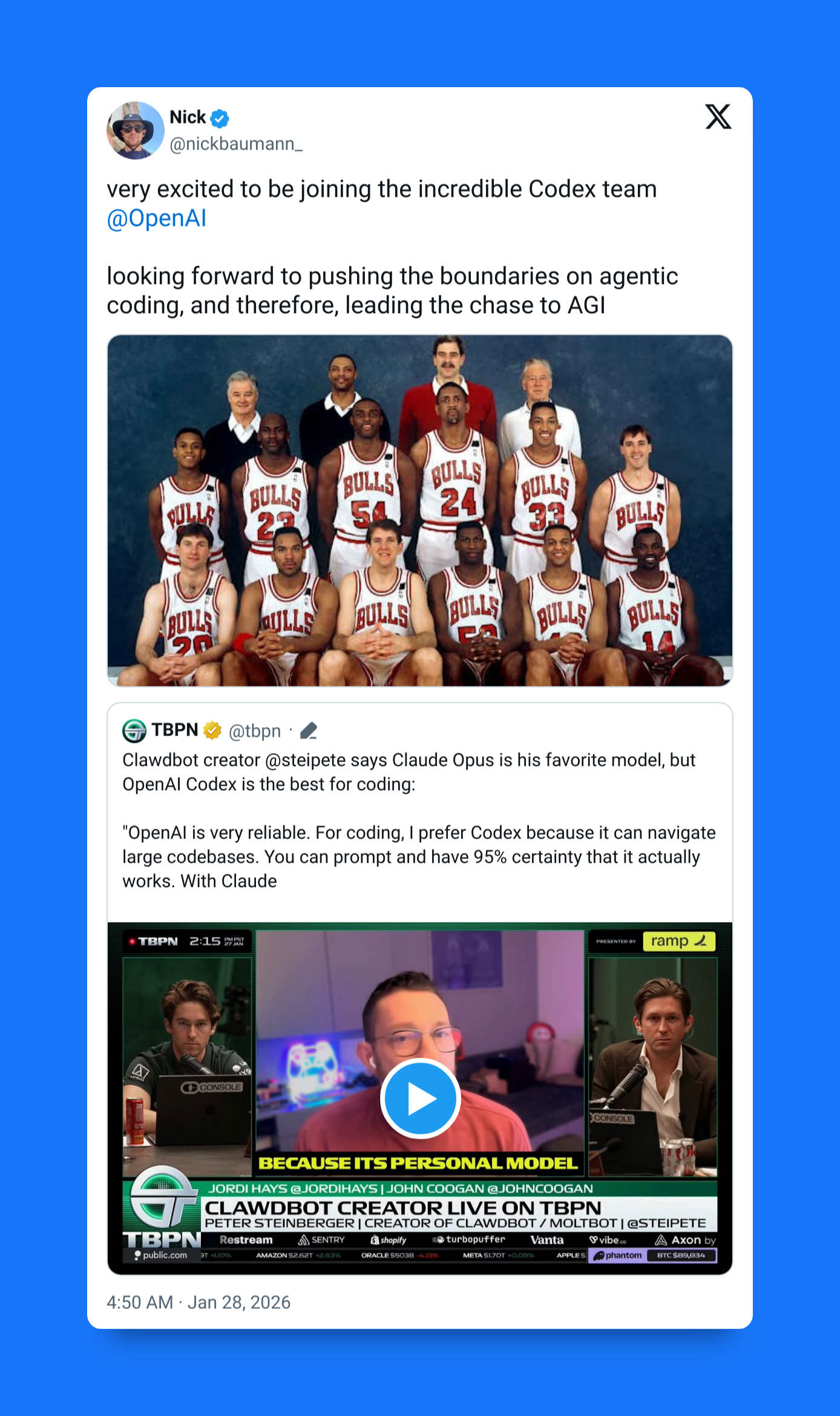
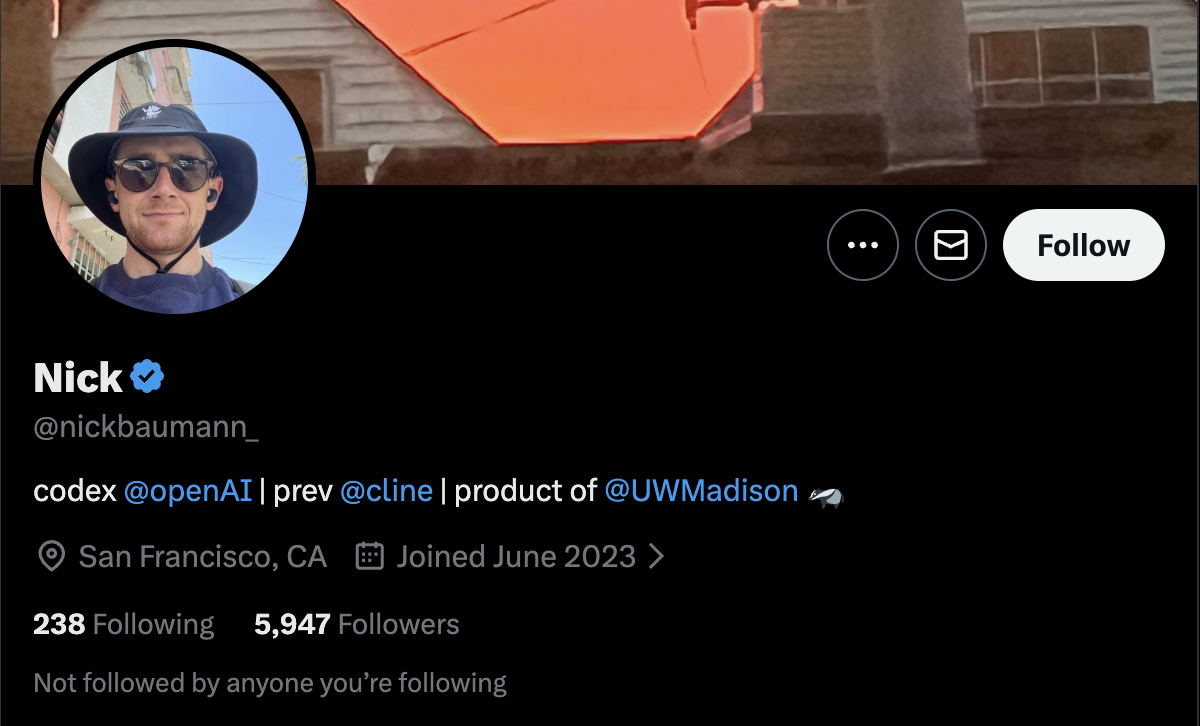
No acquisition. No announcement. No responsibility.
Just LinkedIn updates and a lot of unanswered questions.
If this isn’t killing Cline, what is it?
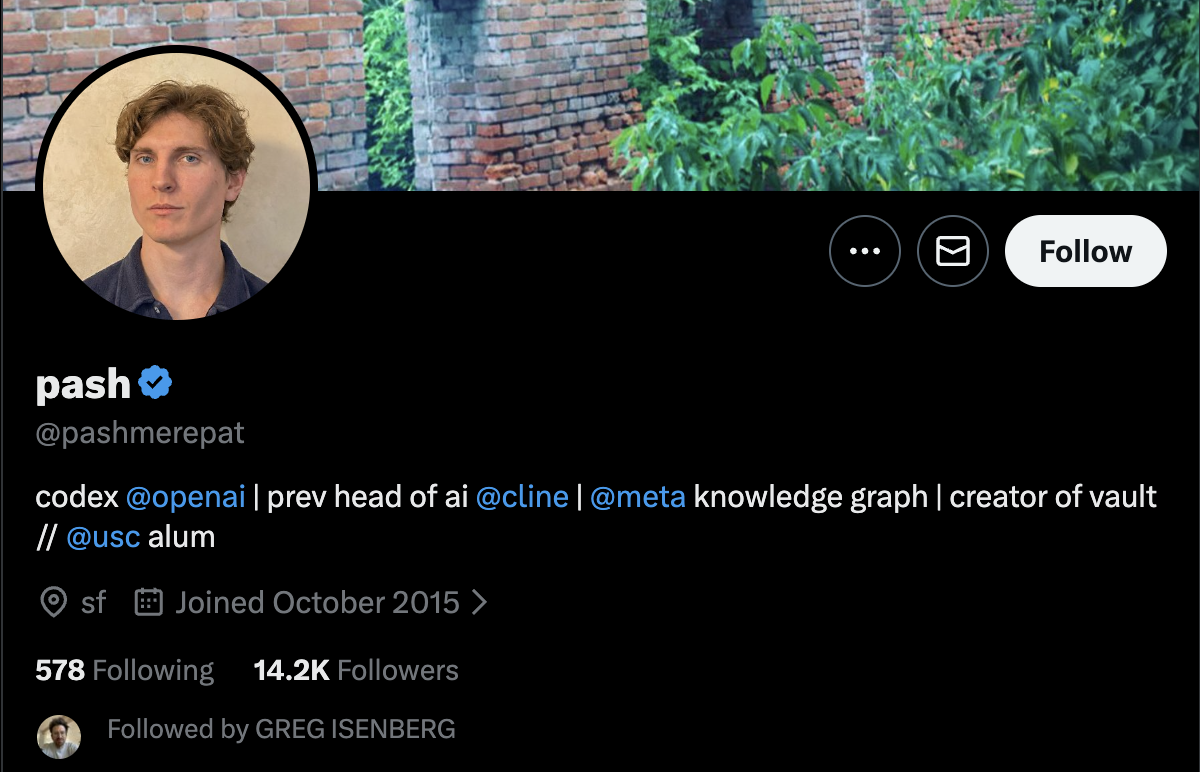
Technically, Cline still exists. The repository is live. The license hasn’t changed. No one flipped a switch and turned it off.
But open-source projects don’t survive on legal existence alone.
They survive on momentum, credibility, and the belief that the people who actually understand the system are still around to guide it.
When a dominant AI lab hires a meaningful chunk of that group, the question isn’t “is the code still there?”
It’s who’s left that users trust to make decisions—and why should anyone bet on them now?
OpenAI understands this dynamic. They are not naive about software culture. Which makes it reasonable to ask: was this impact considered, or was it simply convenient?
Open source as a proving ground
Cline didn’t succeed because it had a marketing budget or enterprise sales. It succeeded because it did what open tools often do best: iterate quickly, listen to users, and explore ideas that large organizations tend to move slowly on.
That process creates value—real value. Design intuition. Workflow insights. A sense of what developers actually want from agentic coding tools.
When the people most closely associated with that value migrate en masse to a dominant lab, the value doesn’t disappear. It just changes ownership. The lessons learned in public move behind a product boundary, governed by incentives that are, by definition, proprietary.
Is that illegal? No.
Is it healthy for an ecosystem that depends on credible open alternatives? That is the question.
At some point, it’s reasonable to ask whether open source in AI is being treated less as shared infrastructure and more as unpaid R&D—a place where ideas are de-risked before being absorbed by whoever can afford to hire fastest.
The damage isn’t binary
Cline’s repository still exists. The license still allows forks. No one flipped a switch and shut it down.
But projects don’t die only when code disappears. They die when confidence erodes.
Users hesitate to depend on them. Contributors hesitate to invest deeply. Maintainers hesitate to promise continuity they may not be able to deliver. The chilling effect isn’t dramatic—it’s slow, quiet, and corrosive.
And here’s the uncomfortable part: OpenAI doesn’t have to intend this outcome for it to be predictable. When you’re this large, downstream effects aren’t hypothetical. They’re part of the cost of doing business.
“We didn’t acquire them” isn’t enough
The implicit defense—there was no acquisition; the project can continue—sets an extremely low bar. Large infrastructure players aren’t judged only by what they refrain from doing, but by how their actions shape the environment everyone else operates in.
So it’s fair to ask:
- Was there any effort to support the project’s transition or governance?
- Any acknowledgment of the community left behind?
- Or is the assumption that open source will simply self-heal, every time?
Because if that assumption keeps proving false, then the message is hard to ignore: the commons is optional.
The bigger question
This isn’t really about Cline alone. It’s about whether the future of developer tooling will be shaped by options and credible alternatives—or by a handful of labs that can absorb emerging threats simply by hiring the people who understand them best.
Cline may survive. Or it may slowly fade, not because the idea failed, but because its center of gravity was quietly relocated.
If this pattern continues, we should stop treating it as incidental and start asking the question companies like OpenAI never seems eager to answer:
What does “open” actually mean in an ecosystem where the biggest player can hire the future out from under it?